


Hip Conditions & Treatment
Hip pain from an injury, chronic condition, or gradual degeneration can affect mobility and quality of life in ways that touch nearly every daily activity — from walking and sitting to sleeping comfortably and staying active. Dr. Michael Sileo is a board-certified orthopedic surgeon and sports medicine specialist dedicated to diagnosing, treating, and rehabilitating patients with a full range of hip conditions.
Dr. Sileo is one of the few orthopedic surgeons in the tri-state area who routinely performs hip arthroscopy for the minimally invasive treatment of hip labral tears and femoroacetabular impingement — bringing a rare level of specialized expertise to patients across Long Island.
Hip Conditions We Treat
Comprehensive care for a wide spectrum of hip-related issues, from acute sports injuries to chronic degenerative conditions.

Osteoarthritis
Hip Fractures
Hip Bursitis
Labral Tears
Hip Impingement
Additional Conditions
Beyond these common diagnoses, treatment extends to a broad range of hip conditions, including hip flexor injuries, snapping hip syndrome, sports-related hip injuries, and post-traumatic joint degeneration. Each condition is approached with the same dedication to accurate diagnosis and the least invasive and most effective treatment path possible.
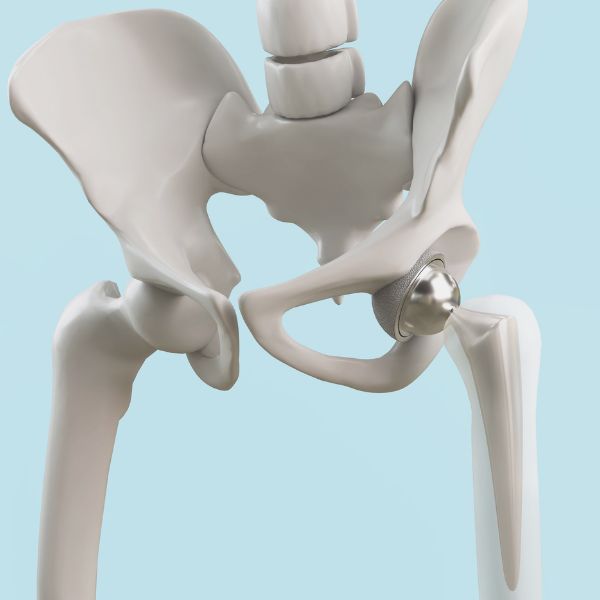
Hip Procedures
- Hip ArthroscopyHip arthroscopy is a minimally invasive procedure that involves inserting a small, flexible camera — called an arthroscope — into the hip joint through a small incision. The arthroscope transmits images to a monitor, allowing Dr. Sileo to visualize the internal structures of the hip and identify any abnormalities or damage. This technique provides numerous benefits, including reduced postoperative pain, smaller incisions, and quicker recovery times compared to traditional open surgery.
- Arthroscopic Hip Labral Repair When a labral tear is detected, arthroscopic hip labral repair uses specialized instruments to repair or remove the damaged labrum through small incisions. This procedure restores stability, alleviates pain, and enables patients to regain full hip function. Dr. Sileo routinely performs this procedure and brings specialized expertise that is uncommon among orthopedic surgeons in the region.
Our Treatment Approach
Comprehensive Evaluation
Conservative Treatment
Surgical
Planning
Recovery and Rehabilitation
Hip Surgery Recovery Timeline
Recovery varies depending on the type of hip procedure performed and on the individual. Below is a general guide for the most common surgical treatments.
Frequently Asked Questions
Hip arthroscopy uses a tiny camera and specialized instruments inserted through small incisions to treat problems inside the hip joint, rather than opening the joint through a large incision. The result is less disruption to surrounding tissue, reduced postoperative pain, smaller scars, and a faster recovery. Not all hip conditions can be treated arthroscopically — the appropriateness of the approach depends on the specific diagnosis and the extent of the damage.
Hip pain that persists for more than 4–6 weeks, worsens with activity or rest, or is accompanied by groin discomfort, a clicking or locking sensation, or a noticeable change in the way you walk warrants an orthopedic evaluation. These symptoms can indicate conditions such as labral tears, impingement, or early arthritis — all of which respond significantly better to treatment when addressed early.
Hip bursitis is inflammation of the fluid-filled sacs that cushion the hip joint, typically causing pain on the outside of the hip that worsens with activity or prolonged sitting. Hip impingement, on the other hand, is a structural problem where abnormal bone growth causes irregular contact between the ball and socket of the hip joint, leading to pain deep in the groin and restricted range of motion. Both conditions can cause significant hip pain, but they have different causes and require different treatment approaches — making an accurate diagnosis essential before beginning any treatment plan.
Yes, many patients with hip osteoarthritis manage their symptoms successfully with non-surgical treatment for years before surgery becomes necessary. Conservative options include physical therapy to strengthen the muscles supporting the joint, anti-inflammatory medications, corticosteroid injections, and activity modification. When conservative treatment no longer provides adequate relief, and the condition significantly limits daily function, surgical options, including joint preservation procedures or hip replacement, may be considered. A comprehensive evaluation helps determine the most appropriate treatment based on the severity of the condition and the patient’s individual goals.
Where to Get Hip Treatment on Long Island
Dr. Sileo sees patients at two convenient Long Island locations. New patients are welcome.
Commack Office
Commack, NY 11725
East Setauket Office
East Setauket, NY 11733
Request An Appointment
Take the first step towards recovery.
- Office hours: Mon-Fri, 8:00 AM - 5:00 PM