
Frozen shoulder — also called adhesive capsulitis — affects roughly 2–5% of adults, most commonly between ages 40 and 60. The condition causes the shoulder joint capsule to thicken and tighten, severely limiting range of motion for months at a time. The good news: most patients fully recover with the right combination of physical therapy, anti-inflammatory treatment, and (in stubborn cases) shoulder arthroscopy or manipulation under anesthesia.
Dr. Michael Sileo is a dual board-certified orthopedic surgeon and sports medicine specialist treating frozen shoulder patients at his East Setauket and Commack, NY offices. Below, he walks through symptoms, causes, the 3 stages of frozen shoulder, and treatment options — plus when it’s time to see a shoulder surgeon.
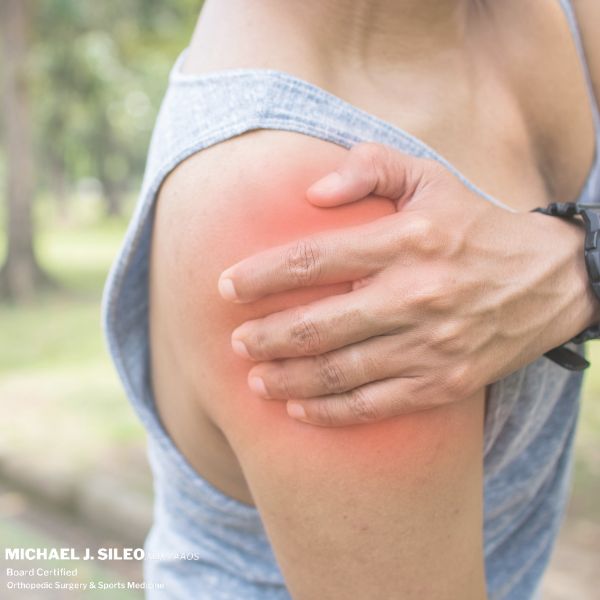
A frozen shoulder, also called adhesive capsulitis, is a painful shoulder condition that causes stiffness, shoulder pain, and loss of range of motion. The condition develops when the shoulder joint capsule thickens and tightens, often forming scar tissue that restricts normal movement.
Without treatment, a frozen shoulder can take 12 to 18 months—or longer—to improve. Fortunately, a variety of frozen shoulder treatments can help patients manage pain, restore mobility, and return to normal activities.
Symptoms and Causes of Frozen Shoulder
Frozen shoulder typically develops gradually and progresses through three stages:
-
Freezing stage: Pain increases and the shoulder becomes stiff, making it difficult to move.
-
Frozen stage: Pain may lessen, but shoulder stiffness remains.
-
Thawing stage: Gradual improvement in range of motion as the shoulder begins to recover.
Causes of frozen shoulder are not always clear, but risk factors include:
- Prolonged immobilization of the shoulder (after injury or surgery such as a rotator cuff repair)
- Inflammation of the joint capsule
- Medical conditions such as diabetes, thyroid disorders, or cardiovascular disease
Shoulder injury or systemic conditions can increase the risk of developing frozen shoulder.
Diagnosis and Conservative Treatment
Diagnosis is typically made with a physical exam and medical history. Imaging studies such as x-ray or MRI may be used to rule out other common shoulder conditions like rotator cuff tears.
In many cases, conservative treatment is effective. Options include:
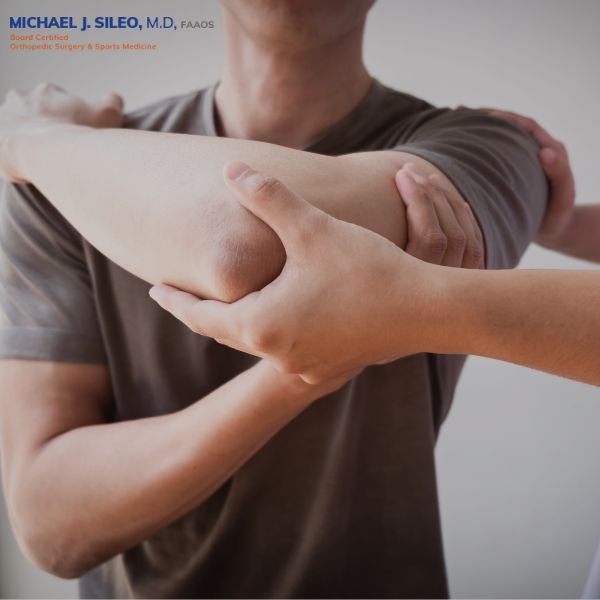
- Physical therapy: Guided shoulder exercises and stretching exercises to improve mobility and prevent stiffness.
- Pain relief: Application of ice to the shoulder, use of anti-inflammatory drugs, or steroid injections into the shoulder joint.
- Passive range of motion exercises: Assisted movements that help maintain flexibility.
Advanced Treatment Options
If conservative treatment does not adequately improve shoulder motion or relieve pain, more advanced interventions may be considered:
- Manipulation under anesthesia (MUA): The shoulder is gently moved while the patient is under anesthesia, helping to stretch the scar tissue and capsule.
- Shoulder arthroscopy: A minimally invasive procedure where small incisions around the shoulder allow a surgeon to release tight portions of the joint capsule.
Both procedures can help release a frozen shoulder and restore the ability to move your shoulder.
Recovery and Prognosis
Most patients respond well to a structured treatment plan for frozen shoulder. While recovery can take several months, the shoulder can usually regain normal function with the right combination of physical therapy, pain management, and—if necessary—surgery.
The key is early diagnosis, proper treatment, and a commitment to rehabilitation exercises to prevent long-term stiffness.
Frequently Asked Questions About Frozen Shoulder
What is adhesive capsulitis?
Adhesive capsulitis (commonly called frozen shoulder) is a condition in which the shoulder joint capsule thickens, scars, and tightens — severely limiting both active and passive range of motion. It typically develops in three stages over 1 to 3 years and most often affects adults between 40 and 60.
What causes frozen shoulder?
The exact cause isn’t fully understood, but frozen shoulder often follows a period of shoulder immobilization (after surgery, injury, or stroke). Risk factors include diabetes, thyroid disorders, age 40–60, and being female. Patients with diabetes are at significantly higher risk and may experience more severe symptoms.
What are the symptoms of adhesive capsulitis?
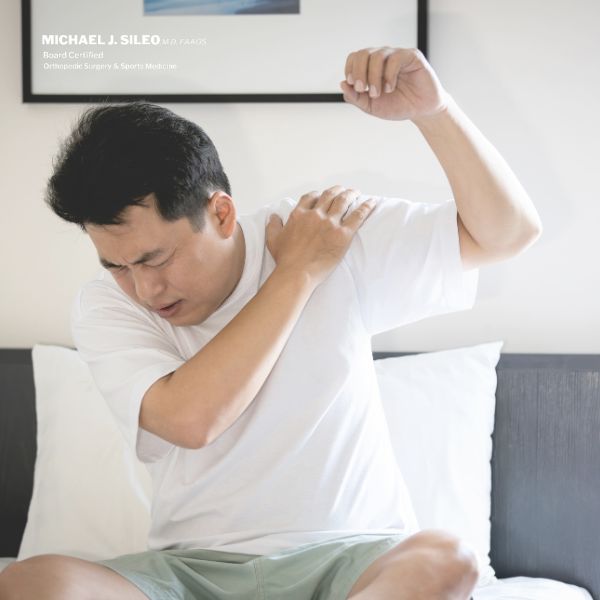
The hallmark symptoms are a deep, persistent shoulder ache and progressive loss of range of motion — especially when reaching overhead, behind your back, or across your body. Pain is often worse at night and can disrupt sleep. Symptoms typically develop gradually over weeks or months.
How long does frozen shoulder last?
Untreated, frozen shoulder typically resolves over 1 to 3 years through three stages: freezing (painful), frozen (stiff), and thawing (gradual recovery). With physical therapy, steroid injections, and early intervention, this timeline can be significantly shortened — often to 6 to 12 months.
When does frozen shoulder need surgery?
Most cases improve without surgery. Manipulation under anesthesia (MUA) or shoulder arthroscopy is considered when symptoms haven’t improved after 6+ months of conservative treatment, or when stiffness severely limits daily function. Dr. Sileo evaluates each case individually to determine the best approach.
Get Frozen Shoulder Treatment on Long Island
Don’t wait months hoping the stiffness improves on its own. Early treatment for frozen shoulder shortens recovery time and reduces the risk of long-term loss of motion. Dr. Sileo and his team see frozen shoulder patients across Suffolk County from two convenient locations: the East Setauket office at 6 Technology Drive, Suite 100, East Setauket, NY 11733, and the Commack office at 312A Commack Road, Commack, NY 11725. Same-week appointments are typically available for new patients.
To schedule a consultation, call (631) 689-4189 or request an appointment online.