

Knee Conditions & Treatment
Knee pain from an injury, degenerative condition, or years of wear and tear can affect every aspect of daily life — from walking and climbing stairs to staying active and doing the things you love. Dr. Michael Sileo is a board-certified orthopedic surgeon and sports medicine specialist dedicated to diagnosing, treating, and rehabilitating patients with a full range of knee conditions.
Whether you are dealing with a recent injury, a chronic condition, or require a specialized procedure, the goal is always the same — accurate diagnosis, personalized treatment, and a return to the life you want to live.
Knee Conditions We Treat
Comprehensive care for a wide spectrum of knee-related issues, from acute sports injuries to chronic degenerative conditions.
Osteoarthritis
ACL Tears
Meniscal Tears
Cartilage Injuries
Additional Conditions
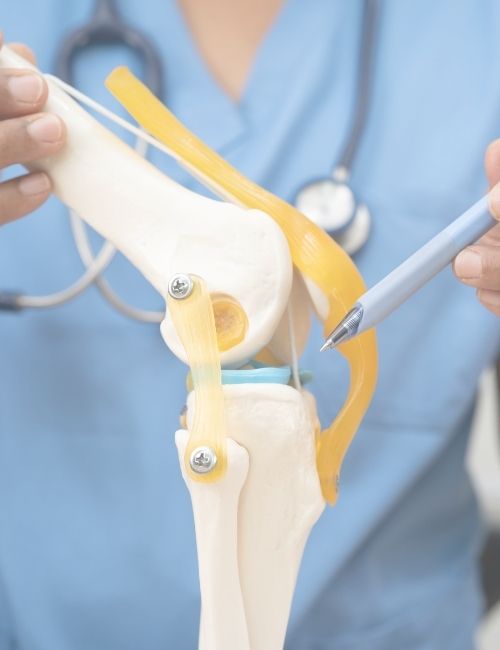
Advance Knee
Procedures
- ArthroscopyMinimally invasive arthroscopic techniques are used to visualize and treat various knee conditions. Enables accurate diagnosis and repair of cartilage injuries, removal of loose bodies, and treatment of inflammation — all through small incisions.
- ACL ReconstructionSpecialized surgery employing the latest minimally invasive techniques to reconstruct the torn ligament and restore knee stability. Promotes faster recovery and helps regain active lifestyles.
- Cartilage GraftingProcedures including autologous chondrocyte implantation (ACI) and osteochondral autograft transplantation (OATS) repair damaged cartilage. These advanced techniques promote cartilage regeneration.
- Meniscal RepairAdvanced arthroscopic procedures restore torn menisci and preserve knee function. This technique promotes faster healing, reduces recovery time, and protects long-term joint health.
Our Treatment Approach
Comprehensive Evaluation
Conservative Treatment
Surgical
Planning
Comprehensive Rehabilitation
Recovery Timeline
Recovery varies depending on the procedure. Below is a general guide for common treatments.
Frequently Asked Questions
Not all knee injuries require surgery. Many conditions, including mild ACL sprains, partial meniscal tears, and early osteoarthritis, respond well to physical therapy, injections, and activity modification. Surgery is typically considered when conservative treatments have failed to provide adequate relief, when imaging confirms significant structural damage, or when the injury severely limits daily function and quality of life. A comprehensive orthopedic evaluation is the best way to determine the right course of treatment.
Cartilage grafting is a procedure used to repair areas of damaged or missing cartilage in the knee joint. Techniques such as ACI and OATS transplant healthy cartilage cells or tissue to the damaged area, promoting regeneration and restoring joint function. It is typically recommended for younger, active patients with isolated cartilage defects who are not yet candidates for joint replacement. A thorough evaluation including MRI is needed.
Meniscal repair involves stitching the torn meniscus back together to preserve as much of the natural tissue as possible, while meniscal removal — or meniscectomy — involves trimming or removing the damaged portion of the meniscus. Repair is preferred whenever possible because preserving the meniscus protects the knee from long-term degeneration. However, not all tears are repairable.
Most patients return to daily activities within a few weeks of ACL reconstruction, but full return to sport typically takes 6–12 months. The timeline depends on the surgical technique used, the patient’s overall health and fitness, and how consistently they engage with their rehabilitation program. Returning to activity too early is one of the most common causes of re-injury.
Not all knee injuries require surgery. Many conditions, including mild ACL sprains, partial meniscal tears, and early osteoarthritis, respond well to physical therapy, injections, and activity modification. Surgery is typically considered when conservative treatments have failed to provide adequate relief, when imaging confirms significant structural damage, or when the injury severely limits daily function and quality of life. A comprehensive orthopedic evaluation is the best way to determine the right course of treatment.
Where to Get Knee Treatment on Long Island
Dr. Sileo sees patients at two convenient Long Island locations. New patients are welcome.
Commack Office
Commack, NY 11725
East Setauket Office
East Setauket, NY 11733
Request An Appointment
Take the first step towards recovery.
- Office hours: Mon-Fri, 8:00 AM - 5:00 PM