Shoulder Conditions & Treatment


Shoulder pain from an injury, chronic condition, or gradual wear and tear can interfere with nearly every aspect of daily life — from reaching overhead and lifting to sleeping comfortably and staying active. Dr. Michael Sileo is a board-certified orthopedic surgeon and sports medicine specialist dedicated to diagnosing, treating, and rehabilitating patients with a full range of shoulder conditions. 

Whether you are dealing with an acute injury or a chronic shoulder problem, the goal is always the same — accurate diagnosis, personalized treatment, and a return to the life you want to live.

Shoulder Conditions We Treat

_

Comprehensive care for a wide spectrum of shoulder-related issues, from acute sports injuries to chronic degenerative conditions.
Shoulder Pain (4)

Rotator Cuff Tears

The rotator cuff is a group of tendons connecting the muscles to the bones of the shoulder, enabling a wide range of movement and stability. When these tendons become damaged or torn — whether from acute injury or gradual degeneration — the result is pain, weakness, and a limited range of motion. Both surgical and non-surgical treatment options are available, tailored to the severity of the tear and each patient’s individual needs.
Shoulder Pain (4)

Shoulder Instability

Shoulder instability occurs when the structures surrounding the joint are too loose or torn, causing recurrent dislocations or a persistent sensation of the shoulder slipping out of place. Treatment options range from physical therapy and bracing to surgical stabilization, depending on the severity, frequency, and overall impact of the instability on daily life.

Shoulder Pain (4)

Shoulder Impingement

Shoulder impingement occurs when the space between the rotator cuff and the acromion bone narrows, causing the tendons to become pinched and inflamed. Non-surgical treatments, including physical therapy, anti-inflammatory medications, and corticosteroid injections are used in most cases. When surgery is necessary, arthroscopic procedures effectively address the structural cause of impingement.
Shoulder Pain (4)

Labral Tears

The labrum is a ring of cartilage that deepens the shoulder socket and helps keep the joint stable. Labral tears are common in athletes and patients who have experienced shoulder dislocations, and can cause pain, clicking, and instability with overhead movement. 
Shoulder Pain (4)

Frozen Shoulder

Also known as adhesive capsulitis, frozen shoulder causes progressive stiffness and pain that significantly limits the shoulder’s range of motion. Treatment options include physical therapy, corticosteroid injections, and, in some cases, manipulation under anesthesia to restore mobility.
Shoulder Pain (4)

Additional Conditions

Beyond these common diagnoses, treatment extends to a broad range of shoulder conditions, including AC joint injuries, bicep tendon tears, and shoulder bursitis. Each is treated with the same focus on accurate diagnosis and effective, individualized care.
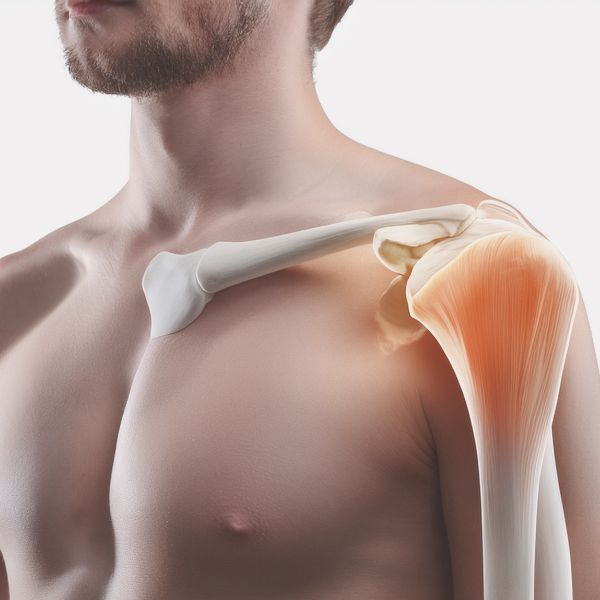
A man’s upper body with a transparent overlay highlights the bones and muscles of his shoulder and upper arm

Shoulder Procedures

_
  • ArthroscopyShoulder arthroscopy is a minimally invasive surgical technique that uses small incisions and a tiny camera to visualize, diagnose, and treat a wide range of shoulder conditions. Through this approach, damaged tissues can be repaired, bone spurs removed, and other structural problems addressed — with less postoperative pain and faster recovery compared to traditional open surgery. Dr. Sileo specializes in arthroscopic and minimally invasive treatment of shoulder injuries.
  • Corticosteroid InjectionsTargeted corticosteroid injections reduce inflammation and provide meaningful pain relief for patients with impingement, bursitis, and other inflammatory shoulder conditions.
  • Hyaluronic Acid InjectionsHyaluronic acid injections improve joint lubrication and reduce discomfort in patients with shoulder arthritis and joint degeneration.
  • Platelet Rich Plasma (PRP) InjectionsPRP injections use the patient's own platelets to accelerate healing and improve function in patients with rotator cuff injuries, tendonitis, and other soft tissue conditions. Dr. Sileo has a particular interest in platelet-rich plasma therapy as part of a comprehensive, biologically focused approach to orthopedic care.

Our Treatment Approach

_

Comprehensive Evaluation

A thorough physical examination, complete medical history review, and advanced imaging — including X-ray and MRI — are used to accurately diagnose your shoulder condition and identify the most effective and personalized treatment path forward.

Conservative Treatment

Physical therapy, anti-inflammatory medications, corticosteroid injections, and other non-surgical treatments are always considered before surgery is recommended. Many shoulder conditions respond well to conservative care alone.

Surgical
Planning

When surgery is the right path forward, Dr. Sileo uses arthroscopic and minimally invasive techniques whenever clinically appropriate to reduce recovery time, minimize scarring, and achieve the best possible long-term outcome for each individual patient.

Recovery and Rehabilitation

A personalized post-operative rehabilitation program is provided to maximize strength, mobility, and long-term outcomes. Dr. Sileo’s practice emphasizes rehabilitation as a core component of care — not just after surgery, but to prevent future injury.

Hip Surgery Recovery Timeline

_

Recovery varies depending on the type of hip procedure performed and on the individual. Below is a general guide for the most common surgical treatments.

Arthroscopic Surgery
Weeks 1-2Rest, ice, and elevation to manage swelling and pain. A sling may be used depending on the procedure performed.
Weeks 2-6Physical therapy begins, focused on restoring range of motion and gentle strengthening.
Weeks 6-12Return to light daily activities and function for most patients.
3-6 MonthsFull recovery and return to normal activity for most arthroscopic procedures.
Shoulder Stabilization Surgery
Weeks 1-4The shoulder is immobilized in a sling. Gentle range of motion exercises begin toward the end of this phase.
Weeks 4-8Physical therapy focuses on restoring range of motion and beginning gentle strengthening. Most patients discontinue the sling during this period.
2-4 MonthsStrengthening and stability training progresses. Many patients return to light daily activities during this phase.
4-6 MonthsSport-specific training begins for athletic patients. Return to contact sport or overhead activity depends on strength and functional assessment.
6 Months...Full return to sport and high-demand activity for most patients.
Rotator Cuff Repair
Weeks 1-4The shoulder is immobilized in a sling to protect the repair. Gentle range of motion exercises begin under the physical therapist's guidance.
Weeks 4-8Active range of motion exercises begin as healing progresses. The sling is gradually discontinued, and therapy focuses on restoring comfortable shoulder movement.
2-4 MonthsStrengthening exercises begin as the range of motion continues to improve. Most patients see meaningful progress in pain reduction and function during this phase.
4-6 MonthsMost patients return to light daily activities. Overhead activities and lifting are reintroduced gradually based on healing and strength.
6–12 MonthsFull recovery and return to sport or physically demanding activity for most patients. Recovery from larger tears may take closer to 12 months.

Frequently Asked Questions

_
How do I know if my shoulder pain is serious enough to see a doctor?

Shoulder pain that persists for more than 4–6 weeks, worsens with activity or rest, or is accompanied by weakness, numbness, or a significant loss of range of motion warrants an orthopedic evaluation. These symptoms can indicate conditions such as rotator cuff tears, impingement, or instability — all of which respond significantly better to treatment when addressed early.

What is the difference between a cortisone injection and a PRP injection?

A cortisone injection delivers a corticosteroid directly into the affected area to reduce inflammation and provide relatively fast pain relief. A PRP injection uses the patient’s own platelets — concentrated from a blood draw — to stimulate the body’s natural healing process. Cortisone is typically used for inflammatory conditions, while PRP is used to promote tissue repair in tendons and soft tissue injuries. Dr. Sileo will recommend the most appropriate option based on your specific condition.

Can a rotator cuff tear heal without surgery?

Partial rotator cuff tears can often be managed successfully with conservative treatment, including physical therapy, activity modification, and corticosteroid or PRP injections. Full-thickness tears, particularly in active patients, are less likely to heal without surgery and often require repair to restore full strength and function. The best approach depends on the size of the tear, the patient’s symptoms, age, and activity level.

What is shoulder instability, and how is it treated?

Shoulder instability occurs when the ball of the shoulder joint slips partially or fully out of the socket, either from a sudden injury or gradually over time due to loose ligaments or a labral tear. Mild instability can often be managed with physical therapy and strengthening exercises. More significant instability — particularly in younger athletes or patients with recurrent dislocations — typically requires surgical stabilization to restore joint integrity and prevent further episodes.

Where to Get Shoulder Treatment on Long Island

Dr. Sileo sees patients at two convenient Long Island locations. New patients are welcome.

Commack Office

312A Commack Rd
Commack, NY 11725

East Setauket Office

6 Technology Drive, Suite 100
East Setauket, NY 11733

Request An Appointment

Take the first step towards recovery.

  • Office hours: Mon-Fri, 8:00 AM - 5:00 PM