

Sports Medicine Services & Treatment
Sports injuries and performance limitations can affect athletes and active individuals at every level — from competitive professionals to weekend warriors. Getting an accurate diagnosis and the right treatment plan early makes a significant difference in recovery time, long-term outcomes, and return to sport. Dr. Michael Sileo is a board-certified orthopedic surgeon and sports medicine specialist serving patients across Long Island.
Whether you are dealing with an acute injury or looking to optimize your athletic performance, Dr. Sileo and his team are here to help.
Sports Medicine Conditions
Comprehensive care for a wide spectrum of issues, from acute sports injuries to chronic degenerative conditions.
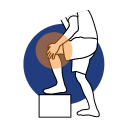
ACL Tears
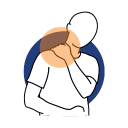
Rotator Cuff Injuries
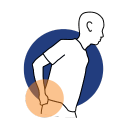
Labral Tears
Meniscus Injuries
Stress Fractures
Additional Injuries
Sports Medicine Services
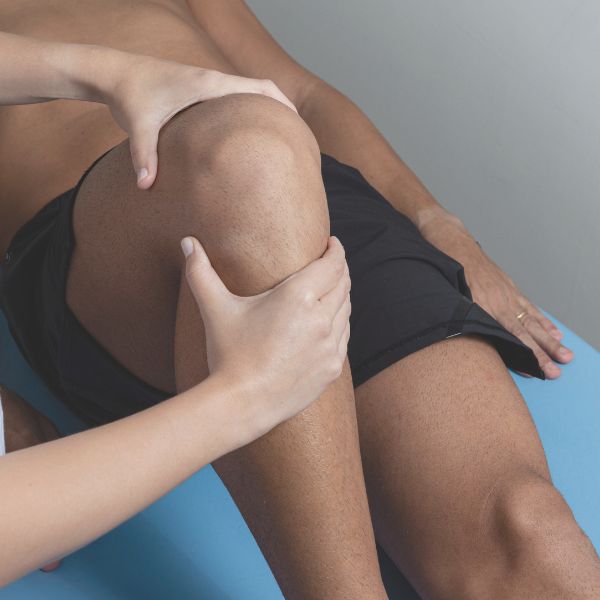
- Sports Injury Evaluation and DiagnosisAccurate diagnosis is the foundation of effective treatment. Dr. Sileo utilizes advanced diagnostic techniques and technologies to assess sports injuries thoroughly — including detailed medical history review, physical examination, and advanced imaging. A precise diagnosis ensures the most appropriate treatment plan is developed for each patient's specific injury and goals.
- Non-Surgical Treatment Many sports injuries can be effectively managed without surgery. Non-surgical treatment options include physical therapy, rehabilitation programs, bracing, medication, and regenerative medicines — all aimed at promoting healing, restoring function, and getting athletes back to their sport as quickly and safely as possible.
- Minimally Invasive Arthroscopic Surgery When surgery is necessary, Dr. Sileo specializes in minimally invasive arthroscopic procedures that use smaller incisions, reduce scarring, and allow for quicker recovery times compared to traditional open surgery. Whether repairing ligaments, removing bone spurs, or addressing cartilage damage, the latest advancements in arthroscopic surgery are employed to optimize outcomes.
- Orthopedic Sports Medicine Surgery For complex sports injuries requiring surgical intervention, Dr. Sileo brings extensive expertise in orthopedic sports medicine surgery. Procedures include ACL reconstruction, rotator cuff repair, labral repair, meniscus repair, and joint stabilization surgeries — all focused on both functional restoration and performance enhancement.
- Sports Performance Optimization Beyond injury treatment, Dr. Sileo provides personalized recommendations and strategies to enhance athletic performance, reduce the risk of future injuries, and optimize sport-specific skills. This may include biomechanical analysis, strength and conditioning programs, sports nutrition guidance, and injury prevention strategies.
Our Treatment Approach
Comprehensive Evaluation
Conservative Treatment
Surgical
Options
Performance and Prevention
Frequently Asked Questions
You should seek an orthopedic sports medicine evaluation if your injury involves significant swelling, instability, or an inability to bear weight, if pain persists beyond a few weeks despite rest, or if you heard or felt a pop at the time of injury. Early evaluation leads to earlier diagnosis and a more effective treatment plan — delaying care can allow some injuries to worsen and complicate recovery.
Regenerative medicine uses the body’s own biological processes to promote healing in damaged tissue. In sports medicine, this most commonly includes platelet- rich plasma (PRP) injections, which concentrate the patient’s own platelets and growth factors to accelerate tissue repair in tendons, ligaments, and cartilage. Regenerative treatments are often used as part of a broader non-surgical treatment plan to help athletes heal faster and avoid surgery when possible.
A sports medicine specialist has advanced fellowship training specifically focused on the diagnosis and treatment of sports-related injuries — including both surgical and non-surgical management. While a general orthopedic surgeon treats a broad range of musculoskeletal conditions, a sports medicine specialist brings deeper expertise in athletic injuries, performance optimization, and return-to-sport protocols. Dr. Sileo is board-certified in both orthopedic surgery and sports medicine, combining the surgical capabilities of an orthopedic surgeon with the specialized knowledge of a sports medicine physician.
Recovery timelines vary significantly depending on the type and severity of the injury. Minor strains and sprains may resolve within a few weeks with conservative care, while surgical repairs such as ACL reconstruction can take 6–12 months for a full return to sport. For detailed recovery timelines specific to each condition, visit the dedicated service pages for knee, shoulder, and hip treatment.
Where to Get Sports Medicine Treatment on Long Island
Dr. Sileo sees patients at two convenient Long Island locations. New patients are welcome.
Commack Office
Commack, NY 11725
East Setauket Office
East Setauket, NY 11733
Request An Appointment
Take the first step towards recovery.
- Office hours: Mon-Fri, 8:00 AM - 5:00 PM